


Cultural
Competency
Course
The Cultural Competency Course is a toolkit designed for new migrant healthcare professionals in Aotearoa to enhance their understanding and engagement with Māori patients. The toolkit includes four key modules: Māori and Aotearoa history, Te Tiriti o Waitangi vs. The Treaty of Waitangi, Māori culture and traditions, and a reflection on positionality. It also features flashcards, pronunciation and simple translations card and welcome card. By providing practical knowledge and cultural context, the kit helps migrant healthcare workers connect with Aotearoa’s culture, fostering inclusivity and respect within healthcare settings.
What is Cultural Competency?
It involves accepting and respecting differences, ongoing self-assessment, understanding cultural dynamics, continually expanding cultural knowledge, and adapting services to meet the needs of minority populations.


Objectives
& Values
My project aims to equip migrant healthcare professionals with the knowledge and tools to engage meaningfully with Māori patients and communities in Aotearoa. By fostering a deeper understanding of Māori culture, history, and healthcare practices, we seek to support migrant healthcare workers in providing culturally safe and responsive care. This project will also help migrants navigate the healthcare environment in Aotearoa with confidence and respect, allowing them to create a sense of connection, bonding and curiosity about Aotearoa and its residents.
At the heart of this project are the values of respect, equity, and inclusion. I believe in respecting the unique cultural identities of both Māori and migrant healthcare workers, fostering equitable healthcare outcomes, and promoting an inclusive environment where diversity is recognized and celebrated. The project is grounded in the principles of Te Tiriti o Waitangi, ensuring that the partnership, participation, and protection of Māori are upheld in healthcare settings.

My Challenge statement
As Tangata Tiriti, how might we enhance cultural competency and awareness among migrant healthcare professionals to better engage with Māori in Aotearoa's healthcare settings?
The Methodology
The Hautū Waka methodology, developed by Roimata Taniwha-Paoo and Ayla Hoeta, and guided by Matua Rereata Makiha, integrates traditional Māori values into modern governance and leadership contexts. It emphasises holistic well-being, community engagement, and cultural identity, making it particularly relevant for my research and project. This methodology is the useful for my project because it aligns with my objective of creating culturally relevant frameworks that enhance migrant healthcare worker's interactions with Māori patients.


Why is this needed?
Aotearoa's diverse healthcare landscape demands a culturally competent workforce for equitable care, yet many immigrant healthcare workers, who make up 40% of doctors and 26% of nurses, struggle to understand Māori cultural values, contributing to miscommunication and mistrust. Māori patients, with a life expectancy 7.3 years shorter than non-Māori, face poorer health outcomes and less access to quality care, despite greater healthcare needs. This project advocates for broader cultural competency, emphasizing cultural safety to bridge gaps, improve patient care, and support migrant professionals in engaging respectfully and effectively with Māori patients.
In healthcare, these cultural gaps can lead to communication barriers and misunderstandings, which impact patient care. To address this, we must support skilled migrant professionals and ensure they can engage with Māori patients respectfully and effectively.
What's in the toolkit?
Module One
Understanding Māori & Aotearoa History.


-
Covers Māori history from pre-colonial times to the present.
-
Explores impacts of colonization, including:
-
Land alienation and loss of resources.
-
Systemic inequities and cultural shifts.
-
-
Provides context for understanding the resilience and lived experiences of Māori communities today.
Module Two
Te Tiriti o Waitangi vs.
The Treaty of Waitangi.


-
Explains differences between Te Tiriti o Waitangi (Māori Translation) and The Treaty of Waitangi (English Translation).
-
Discusses rights, sovereignty, and obligations outlined in each version.
-
Highlights the impact of these differences on healthcare practices, including equity and partnership with Māori communities.
-
Emphasizes the importance of Te Tiriti as a framework for modern healthcare in Aotearoa.
Module Three
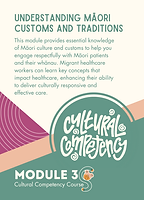
Understanding Māori cutoms and Traditions.

-
Introduces Māori cultural practices, values, and holistic health models like Te Whare Tapa Whā.
-
Provides practical guidance on respectful engagement with Māori patients.
-
Covers key concepts, such as:
-
Tikanga (customs).
-
Tapu (sacredness) and noa (commonness).
-
-
Fosters a deeper understanding of Māori perspectives on health and well-being.
Module Four
Recognising your Bias and Positionality.

-
Encourages participants to reflect on their own positionality (cultural, social, and professional perspectives).
-
Examines how positionality influences interactions with Māori patients.
-
Helps migrant healthcare workers build a sense of belonging in Aotearoa.
-
Promotes inclusivity, mutual respect, and understanding in healthcare interactions.
Flashcards
Based on the four modules.
_edited.png)
_edited.png)
-
Reinforces key concepts with a question and answer format for users to retain the knowledge of the modules.
Pronunciation & Translation card
Card with easy translations and pronunciations of Te Reo Māori words.
_edited.png)
-
Provides guidance on common Te Reo Māori words frequently heard in healthcare settings.
-
Offers tips on accurate pronunciation to encourage respectful communication.
-
Supports integration and confidence for migrant healthcare workers in engaging authentically with patients.
Welcome Card
Welcoming users to the course.
_edited.png)
-
Welcomes the user to the course and toolkit.
-
Describes the contents within the toolkit.
To see the full contents of the modules and flashcards, please contact me on my email, Instagram or the contact form.
How does it work?
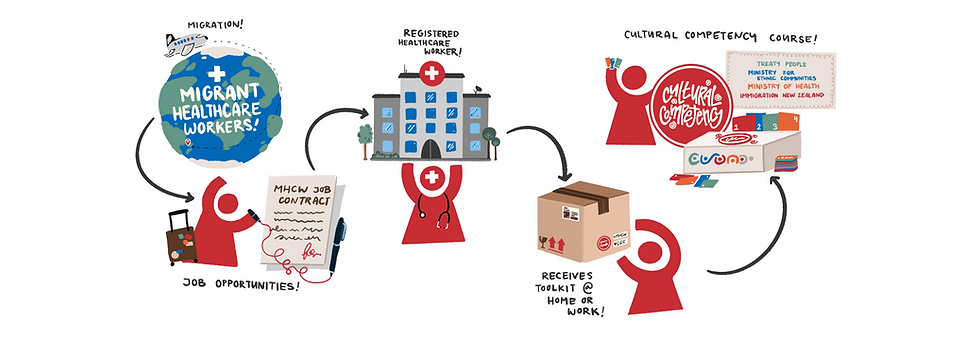
The user journey map roughly shows how the process of receiving the toolkit works.
The Exhibition
Graduates ReDesign Exhibition 2024


I want to express my gratitude to everyone who supported the development of this project. I am eternally grateful to my tutor, Roma, for your unwavering support, kindness and guidance. Special thanks to my lecturers, Diana, Nick and Ayla, for their teachings and feedback throughout this process and my degree.
A heartfelt thank you to the partners, Diversity Works, for sharing your knowledge and experiences and your commitment to improving Diversity and inclusivity within organisations.
Finally, to my family, friends and classmates, especially my parents, Jason and Bianca, your unwavering encouragement made this journey possible.
Thank you.

Disclaimer
This design project was developed for the Advanced Capstone University Course. As a class project, there was no engagement with external communities beyond the course staff, classmates, and each stream industry partner.